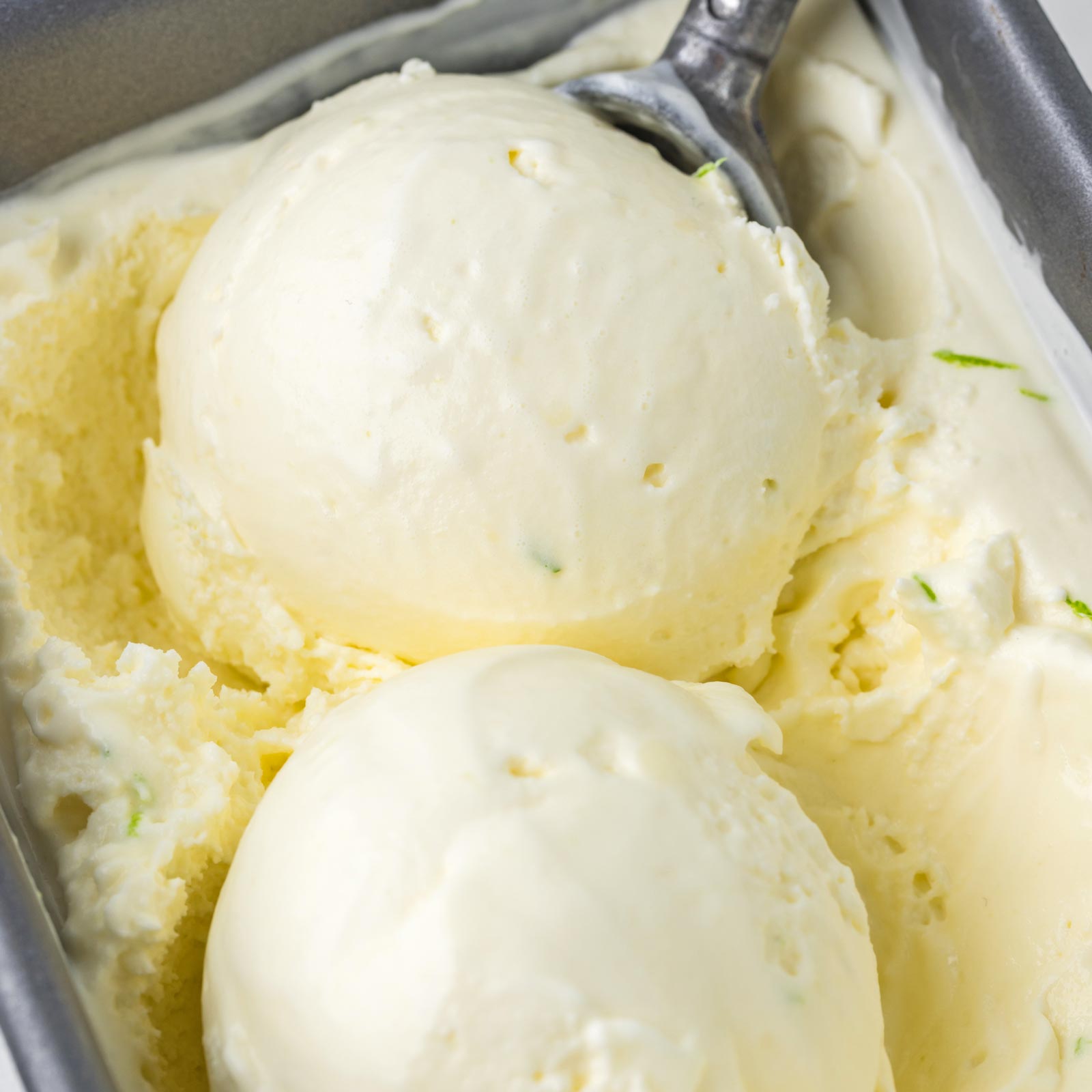
Mastering Lime Ice Cream: Zest Infusion & No Curdling Tips
Prepare to embark on a culinary adventure that promises to electrify your taste buds and redefine your perception of frozen desserts. Homemade
lime ice cream isn't just another scoop; it's a vibrant, tangy, and lusciously creamy masterpiece that captures the very essence of summer. Forget timid flavors or icy textures; we're diving deep into the secrets of crafting an intensely flavorful lime ice cream that strikes a perfect balance between piquant zing and velvety smoothness, all while ensuring your dairy base remains perfectly uncurdled.
This guide will equip you with the knowledge to infuse every spoonful with authentic citrus brilliance, from selecting the right limes to mastering the delicate art of incorporating their potent juice without a hitch. Get ready to transform simple ingredients into an extraordinary frozen dream that will captivate anyone who tastes it.
The Art of Zest Infusion: Unlocking Authentic Lime Flavor
The true soul of an exceptional
lime ice cream lies not just in its juice, but profoundly in its zest. Lime zest is a powerhouse of aromatic essential oils, far surpassing the one-dimensional notes found in most artificial extracts. To achieve a truly profound and authentic lime flavor, the method of infusion is paramount.
Here’s how to unlock that potent goodness:
*
Steeping for Intensity: The most effective way to extract maximum flavor from lime zest is to steep it directly into your warm cream base. As the cream gently heats, the warmth encourages the release of those precious citrus oils, allowing them to permeate every molecule of your dairy mixture. This creates a depth of flavor that is simply unmatched.
*
Finely Grated Zest: For optimal infusion, use a microplane grater to create finely grated zest. This maximizes the surface area, allowing more oils to escape. Be meticulous in avoiding the white pith beneath the green skin, as it carries a bitter flavor that can detract from your ice cream's delicate balance.
*
The Strainer’s Role: While steeping the zest is crucial for flavor, leaving it in the final base can sometimes result in a slightly gritty texture, which many prefer to avoid in an otherwise silky-smooth ice cream. After your cream base has steeped and cooled, straining it through a fine-mesh sieve will remove the spent zest, leaving behind only its vibrant essence. This ensures an ultra-smooth consistency, allowing the creamy texture to shine through without interruption. For a deeper dive into harnessing the power of citrus, explore
Fresh Lime Zest & Juice: The Key to Vibrant Citrus Ice Cream.
By carefully infusing the zest, you're building the foundational layer of flavor that will make your homemade
lime ice cream truly unforgettable.
Achieving the Perfect Sweet-Tart Balance
Crafting a perfectly balanced
lime ice cream is a delicate dance between sweetness and tartness. It's not just about adding sugar and lime juice; it's about understanding their interplay and finding that thrilling tension that makes each spoonful a delight.
*
The Dual Role of Limes:
*
Lime Juice: Primarily contributes the bright, tangy acidity and refreshing punch. Its liquid nature also affects the final texture, as too much can lead to iciness.
*
Lime Zest: As discussed, this brings complex aromatic notes and a fragrant, tangy bitterness that rounds out the overall citrus profile.
*
Fresh vs. Bottled: This is non-negotiable: always use
freshly squeezed lime juice. Bottled lime juice, even premium brands, simply cannot replicate the vibrant, nuanced flavor of fresh limes and often carries an oxidized or muted taste.
*
The Right Ratios are Key: When it comes to lime juice, moderation is crucial. While it's tempting to add more for an extra kick, exceeding the recommended amount (often around 1/2 cup for a standard batch) can lead to an overly tart flavor that overwhelms the sweetness. It can also exacerbate potential curdling issues (which we'll address next). Similarly, too much zest can introduce an unwanted bitterness. Stick closely to tested recipes for your initial attempts, and only adjust slightly based on your preference and the specific tartness of your limes.
*
Choosing Your Limes: The type of lime you use will significantly impact the flavor profile:
*
Persian Limes (Tahiti or Bearss): These are the most common variety found in U.S. supermarkets. They are larger, seedless, and offer a bright green color with a moderate tartness. They yield a classic, balanced lime flavor.
*
Key Limes: Smaller, rounder, and intensely aromatic and tart. If you're seeking a more potent, almost bracing citrus experience, Key limes are an excellent choice. Be aware that their increased tartness might require minor adjustments to sugar levels.
Taste your fresh lime juice before adding it to your base. Limes can vary in acidity, and a quick taste test can help you decide if you need to slightly scale back or can stick to the recipe's exact amount.
Creamy Perfection: Mastering Texture and Avoiding Curdling
The hallmark of a truly exceptional
lime ice cream is its luxuriantly smooth, scoopable texture. Achieving this requires the right ingredients and, crucially, mastering the technique to prevent the dreaded curdling that can occur when acid meets dairy.
*
Ingredients for Indulgence:
*
Heavy Cream & Whole Milk: These dairy components provide the rich fat content essential for a dense, smooth, and non-icy consistency. The higher the fat, the smaller the ice crystals during freezing.
*
Egg Yolks (in Custard Bases): Many recipes, especially for the creamiest ice creams, utilize egg yolks to create a cooked custard base. Egg yolks act as emulsifiers and thickeners, contributing significantly to the luxurious mouthfeel and stability of the ice cream.
*
Sugar: Beyond sweetness, sugar plays a vital role in texture by lowering the freezing point of the mixture, which helps prevent it from becoming rock-hard and icy.
*
The Curdling Conundrum: The primary challenge when making citrus ice cream is the interaction between lime juice (an acid) and dairy proteins. When introduced to hot dairy, the acid causes the proteins to coagulate and separate, resulting in a curdled, grainy texture rather than a smooth base.
*
The Smart Solution: Add Lime Juice at the End: The most reliable method to prevent curdling is to introduce the lime juice only after your dairy base has been cooked (if using a custard), thoroughly chilled, and is ready for churning.
*
Why it Works: When the dairy base is cold, its proteins are much more stable and less prone to curdling upon contact with acid. By adding the lime juice just before churning, you integrate it into an already stable, chilled mixture, minimizing the risk of separation. This strategy has been widely tested and proven effective, saving many batches from an unfortunate fate.
*
Beyond Curdling: Further Texture Tips:
*
Strain the Base: Even if you don't use zest, straining your cooked custard base (especially if it contains egg yolks) through a fine-mesh sieve is a good practice. This catches any tiny bits of cooked egg or undissolved sugar, ensuring a uniformly silky texture.
*
Thorough Chilling: Ensure your ice cream base is *ice-cold* (preferably below 40°F / 4°C) before churning. A well-chilled base churns more efficiently, incorporates air better, and develops smaller, finer ice crystals for a smoother result.
*
Proper Churning: Follow your ice cream maker's instructions. Churning incorporates air, which contributes to the ice cream's light and airy texture, and prevents it from becoming overly dense or icy.
*
Quick Freezing: Transfer your freshly churned, still-soft ice cream to a pre-chilled airtight container and freeze it rapidly. Faster freezing promotes smaller ice crystals.
By understanding and implementing these techniques, you'll consistently achieve an ultra-creamy, wonderfully scoopable
lime ice cream. For more expert advice on achieving that coveted texture, be sure to read
Secrets to Ultra-Creamy, Tangy Lime Ice Cream at Home.
Beyond the Basics: Elevating Your Lime Ice Cream Experience
You've mastered the zest, balanced the tartness, and perfected the creamy texture. Now, let's talk about how to take your homemade
lime ice cream from fantastic to unforgettable.
*
Garnishing for Impact: Presentation matters! A sprinkle of finely grated fresh lime zest just before serving isn't merely decorative; it provides an immediate burst of fragrant citrus aroma that enhances the entire sensory experience. A thin slice of lime or a small mint sprig can add a sophisticated touch.
*
Serving Suggestions: While undeniably delicious on its own, lime ice cream pairs beautifully with a variety of accompaniments:
*
Fresh Berries: Strawberries, raspberries, or blueberries provide a lovely color contrast and a complementary sweetness.
*
Coconut: Toasted coconut flakes or a drizzle of coconut cream can add a tropical dimension.
*
Shortbread or Graham Crackers: Crumbled shortbread or graham crackers offer a delightful textural contrast and a buttery complement.
*
Meringue Kisses: For a true showstopper, serve with tiny baked meringue kisses, echoing the classic key lime pie flavors.
*
Storage for Longevity: Store your homemade
lime ice cream in an airtight container in the coldest part of your freezer. To prevent ice crystals from forming on the surface, press a piece of parchment paper or plastic wrap directly onto the surface of the ice cream before sealing the container. It’s best enjoyed within 1-2 weeks for optimal flavor and texture.
*
Troubleshooting Common Issues:
*
Too Icy: This often indicates not enough fat (ensure you're using heavy cream and whole milk, potentially with egg yolks), too much water (excessive lime juice), or improper churning/freezing. Ensure your base is very cold before churning and freezes quickly.
*
Too Tart/Bitter: You might have added too much lime juice or included too much white pith when zesting. If it's just slightly too tart, serving it with something sweet (like berries or whipped cream) can help balance it. If it's truly overwhelming, consider melting it down and re-balancing with a little more sugar (though this isn't always foolproof with curdled dairy).
Conclusion
Crafting homemade
lime ice cream is a rewarding experience that yields a dessert far superior to any store-bought alternative. By meticulously steeping fresh lime zest for unparalleled aroma, carefully balancing sweet and tart with fresh lime juice, and employing the critical technique of adding acid to a chilled base to prevent curdling, you unlock the full potential of this vibrant citrus treat. With these insights and tips, you're not just making ice cream; you're creating a bold, refreshing, and exquisitely creamy indulgence that will leave a lasting impression. So grab your limes, fire up your ice cream maker, and prepare to master the art of this electrifying frozen dream.